
The Science of Mood and Environment: How Spaces Shape Support
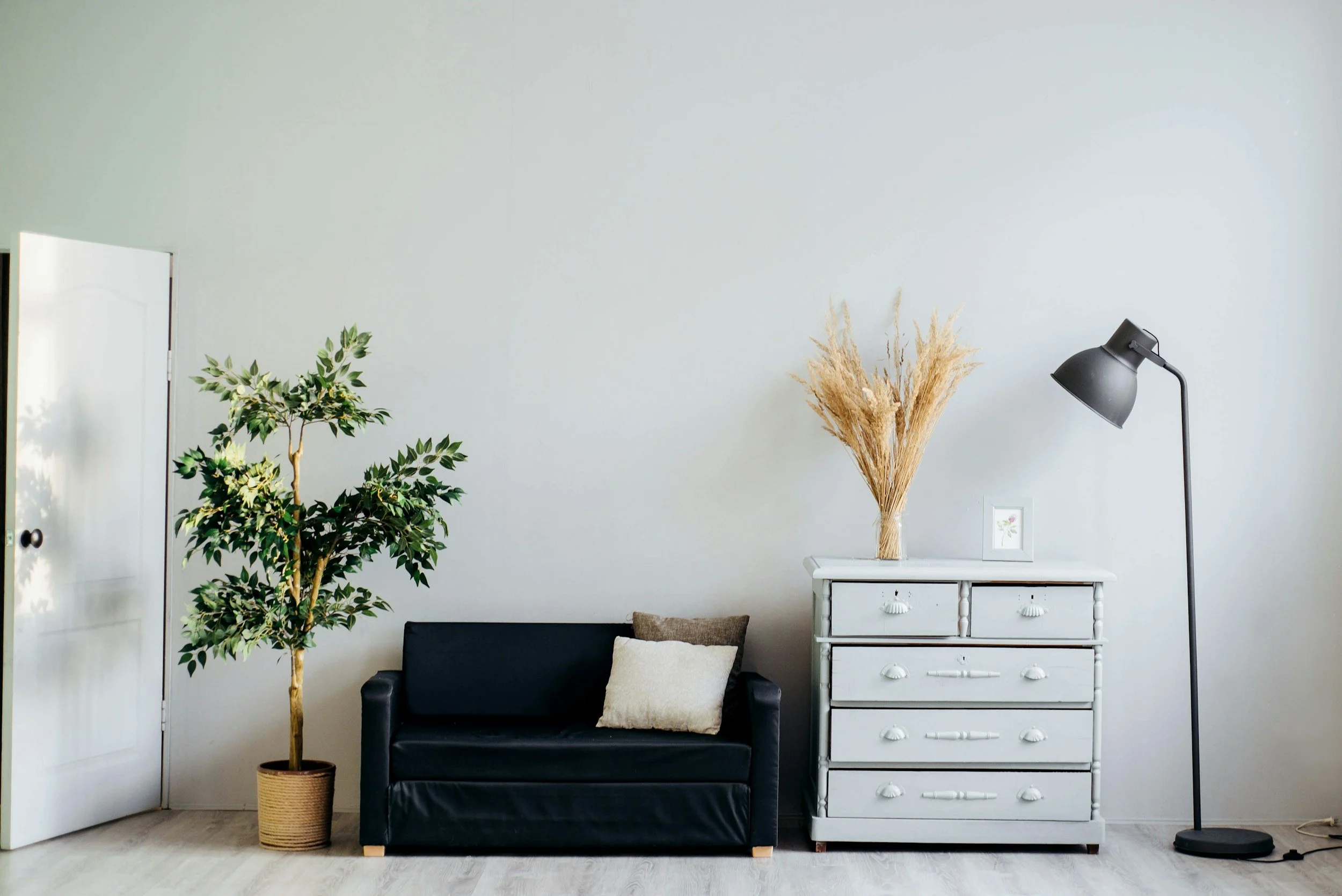
How Spaces SPEAK
Have you ever noticed how a simple change in a room can completely shift the energy of a day? A bright morning, a cluttered hallway, the hum of a dishwasher in the background. All of these things affect mood, behaviour, and engagement. In disability support, these environmental cues matter more than we sometimes realise.
The ROOM as a PARTNER
Lighting, noise, furniture layout, and even temperature can influence how a participant feels, how they respond, and how confident they are to make choices. A soft natural light streaming through the window might invite calm and participation. A cluttered or noisy environment can make even simple tasks feel overwhelming.
It’s not just the participants who feel this. Your own energy interacts with the space too. Walking into a room with calm, deliberate movements and a measured tone can amplify a soothing environment; while rushing or tension can unintentionally increase stress. Essentially, you’re a “mood modulator,” working in tandem with the room itself.
Creating COMFORT Zone
Small adjustments can make a surprising difference. Clearing a pathway, offering a quiet corner, or dimming lights slightly doesn’t take long, but it can transform a moment of frustration into one of confidence. Paying attention to sensory details shows participants that their comfort and preferences matter.